
Lade Informationen...

Executive Director
World Geospatial Industry Council (WGIC)
Aaron Addison serves as the Executive Director for the World Geospatial Industry Council (WGIC) Secretariat where his focus is geospatial industry outreach working with companies and organizations around the globe on challenges related to geospatial policy, implementation, geospatial data and workforce development . His over 35 years of international experience includes extensive work in the public and private sectors as well as NGOs and higher education institutions.
In addition to leading the WGIC Secretariat, Addison serves as a board member, trustee, and advisor to numerous companies and organizations. When not working in geospatial, he leads international caving projects to document and support scientific activities examining subterranean environments. He is a Fellow of the Explorer’s club, the National Speleological Society and Cave Research Foundation.

Datum
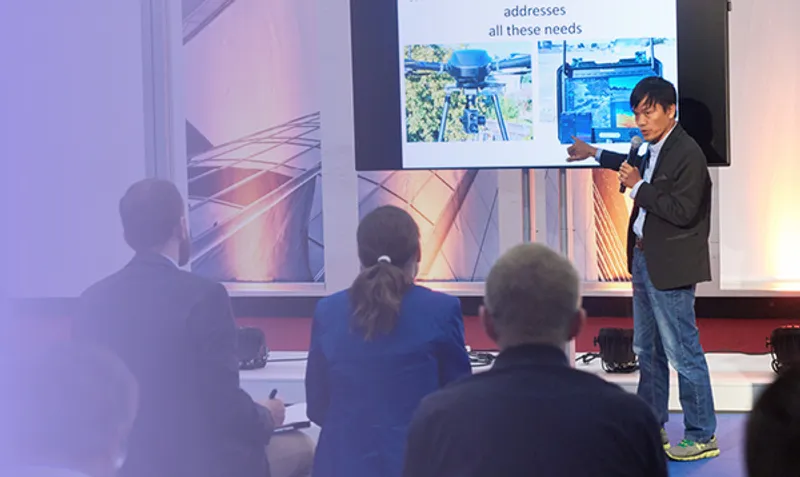
As the demand for accurate, real-time geospatial insights grows, the integration of satellite-derived data with ground-based geospatial solutions is revolutionizing Earth observation. This convergence enables a more comprehensive and multi-dimensional understanding of our planet, enhancing applications in climate monitoring, disaster response, agriculture, urban planning, and infrastructure management. This session will explore the evolving ecosystem of Earth observation technologies, the role of AI and analytics in merging diverse data streams, and the future potential of integrated platforms to deliver actionable intelligence across sectors.
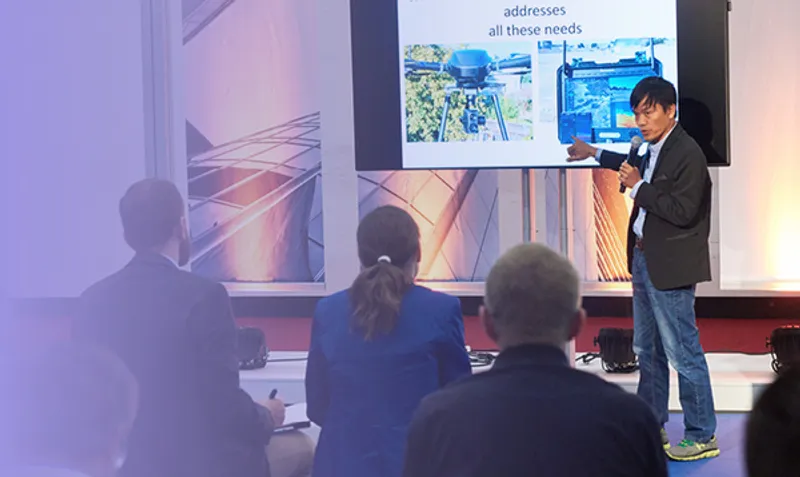
The geospatial industry is evolving rapidly, driven by advances in technology, data accessibility, and cross-sectoral applications. As this transformation unfolds, so do the opportunities for building a dynamic and inclusive workforce. This session will delve into the diverse career pathways emerging within the geospatial sector, from traditional surveying and cartography to roles in AI, data science, and geospatial analytics. It will highlight the importance of fostering diversity, equity, and inclusion; bridging the skills gap through education and training; and cultivating talent across different regions, backgrounds, and disciplines to ensure a resilient and future-ready geospatial workforce.